Who said it?
A filing, a company statement, and a news report carry different evidence. Open any figure to inspect its source.
AI data market
— No reviewed disclosureContext: scale or reach, not a direct health measuren/a: nonprofit researchLetters indicate the source grade; select a figure for details.
Download observations and calculations · JSON · 305.8 kB · Research method
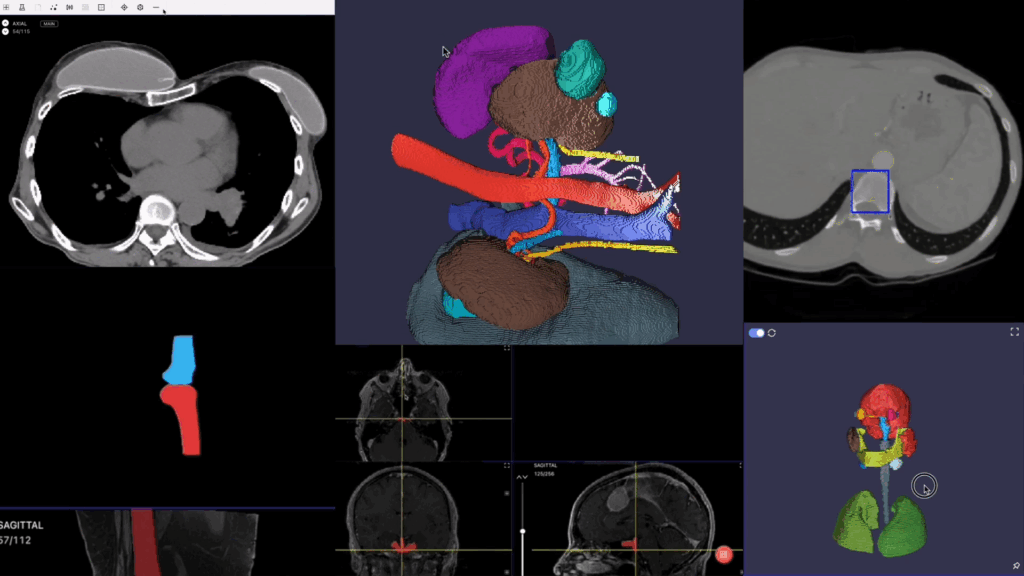
iMerit / EXL
An example of medical-image annotation.
Image: iMerit (opens in a new tab)
Labelbox
An illustration of a reinforcement learning environment.
Image: Labelbox (opens in a new tab)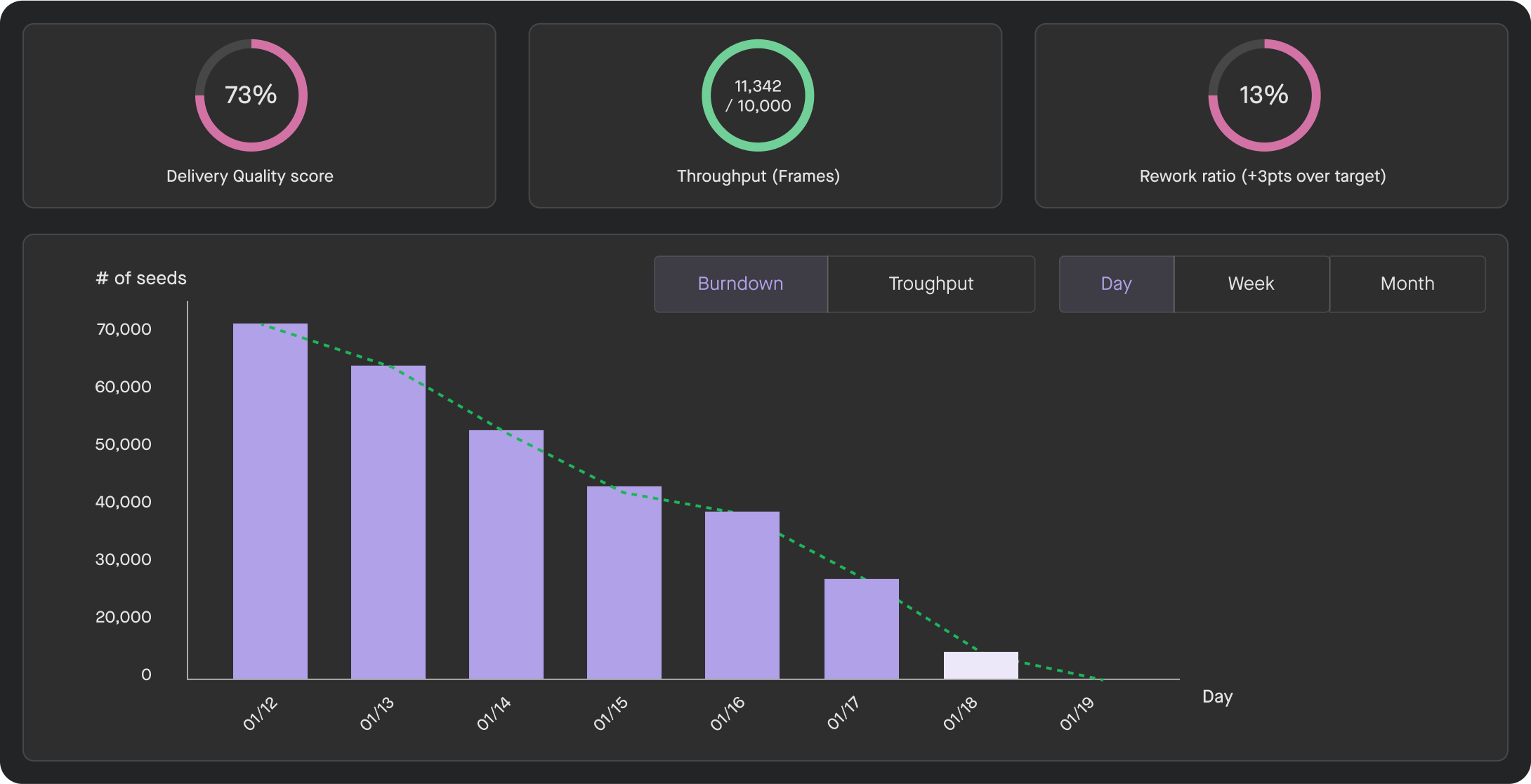
Sama
The reporting interface uses sample data.
Image: Sama (opens in a new tab)Companies are grouped by their main offering. Many work across more than one.
Most evidence comes from the companies themselves. Every figure keeps its source, date and confidence grade. Read the method.
FROM THE PUBLISHER
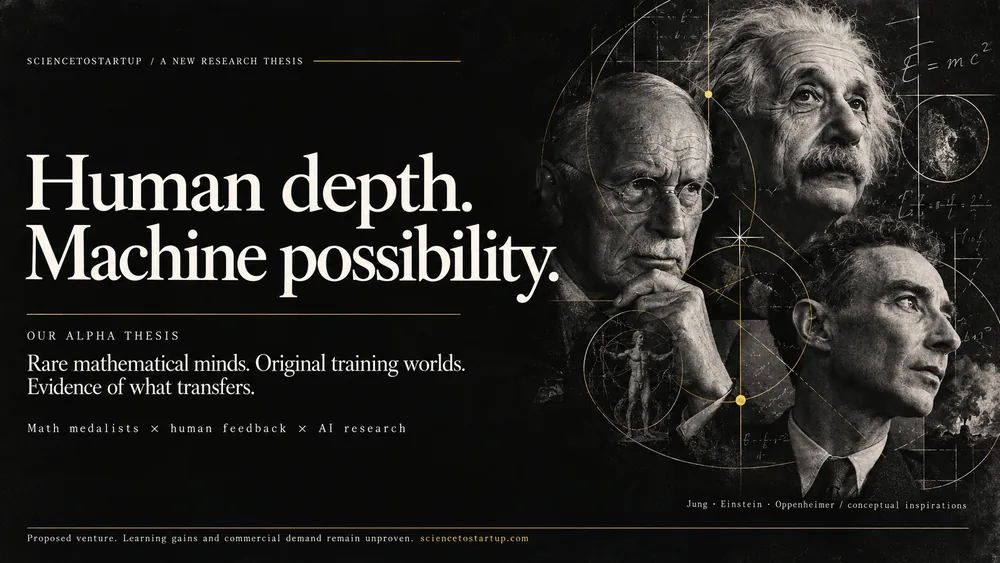
Musa Ozdem publishes this guide. He is also proposing an AI Neolab (a new lab built to do its own research). No profiled company has paid for coverage, and none is a customer, investor or affiliate of the publisher. The proposal is separate from the research, which follows the same rules for every company.
Status: a proposal. Learning gains and commercial demand remain unproven.
The proposed lab starts from one training idea that research can test. Its own research must show a measurable gain in training. Investors or AI labs interested in the proposed lab: contact the publisher.
Explore the businesses, their products, and the evidence behind them.
We chose these companies, so the list does not cover the whole market. Coverage notes
Try a different search or clear a filter.
Paid roles and expert networks, with sources.
METHOD
Check where a number comes from, what it measures, and when it applies.
A filing, a company statement, and a news report carry different evidence. Open any figure to inspect its source.
The reporting period and the date we checked a page are separate. A recent check does not turn an old figure into current revenue.
Annual revenue, annualized pace, and a division’s sales measure different things. Missing figures stay unknown.
Every claim gets a grade for how strongly its sources support it.
A public filing can come from the company itself.
Tap or click a figure on a company page or in Compare to see its sources and grade.
Evidence labels. Each claim also names who stands behind it, such as Company-reported or Filed disclosure. A buyer’s confirmation and a company’s own statement get different labels.
Each company also gets a delivery evidence level (public proof that it sells and delivers its offer). The level covers one part of the business, such as the whole company or its AI data work.
ScienceToStartup is published by Musa Ozdem. It is a guide to the companies that produce AI training data, built from public sources. No profiled company has paid for coverage, and none is a customer, investor or affiliate of the publisher. The publisher has applied for paid work at some profiled companies and is a member of A.Team's talent network.
Disclosure. The publisher is also proposing an AI research lab, described on the overview page. That proposal is separate from this research, which applies the same rules to every company.
Lab inquiries. Investors or AI labs interested in the proposed lab can email musaeminozdem@gmail.com.
If a figure, date or listing is wrong, email us the company name and a link to a source that shows the right value.
We review requests within seven days.
Personal data and removal. Company profiles name founders and executives from public company sources only. Profiles do not show personal contact details. If you are named here and want a record corrected or removed, email the same address. Visits are counted by Cloudflare Web Analytics, which sets no cookies.
Dataset v2.5.0
ScienceToStartup licenses this data under the CC BY 4.0 license (opens in a new tab) (any use is allowed if you credit us). Cite ScienceToStartup and the original sources. Company names and logos belong to their owners. The license does not cover them. It also leaves out product images, photos of people, text quoted from sources and personal contact details.
The complete research dataset, including every claim with its grade and sources. It also keeps the claims that later research replaced.
One row per company with its headline figure and sources. It follows your filters on the Companies page.
The same research data as linked tables, for database tools.
Fixes made after this snapshot, each with the version it replaced.
Every listing with its pay, location rules and sources.
What each profile shows, with the records it cites.
Each company’s business group and short description.
Where each logo came from. We use only official company images.
Source links that were down or asked for sign-in when we checked.
Each dashboard observation, with its sources and calculations.